Auto Insurance & Road Trip Season

Road Trip Season Is Here

May often marks the beginning of road trip season. With warmer weather and long weekends ahead, more drivers are hitting the road for travel, events, and everyday activities.

Before heading out, it’s worth taking a closer look at your auto insurance. Long drives and unfamiliar routes can increase the chances of unexpected situations.

Start With Your Coverage

Start by reviewing your liability limits. These play a key role if you’re involved in an accident that impacts others. It’s also helpful to check if you have collision and comprehensive coverage in place.

Helpful Add-Ons for Travel

Additional features like roadside assistance and rental reimbursement can also come in handy during travel. A flat tire or breakdown is never convenient, but having support available can make the situation easier to manage.

Who’s Behind the Wheel

Another consideration is who will be driving. If multiple people are sharing driving responsibilities, it’s important to confirm they’re properly listed on your policy if needed.

Don’t Skip Maintenance

Vehicle maintenance also plays a role. Checking tires, brakes, and fluid levels before a long trip can help reduce the risk of issues along the way.

Be Ready Before You Go

Taking a few minutes to review your coverage before travel can help you stay focused on the road ahead. Because when plans are in motion, having the right protection in place helps keep everything moving forward.

May often marks the beginning of road trip season. With warmer weather and long weekends ahead, more drivers are hitting the road for travel, events, and everyday activities.

Before heading out, it’s worth taking a closer look at your auto insurance. Long drives and unfamiliar routes can increase the chances of unexpected situations.

Let’s Get You Road-Ready

Before your next trip, take a moment to review your auto coverage and make any updates needed for the road ahead. From liability limits to added protections like roadside assistance, a quick check-in can help you feel more prepared for whatever comes your way. Reach out to start the conversation and explore options that support your travel plans.

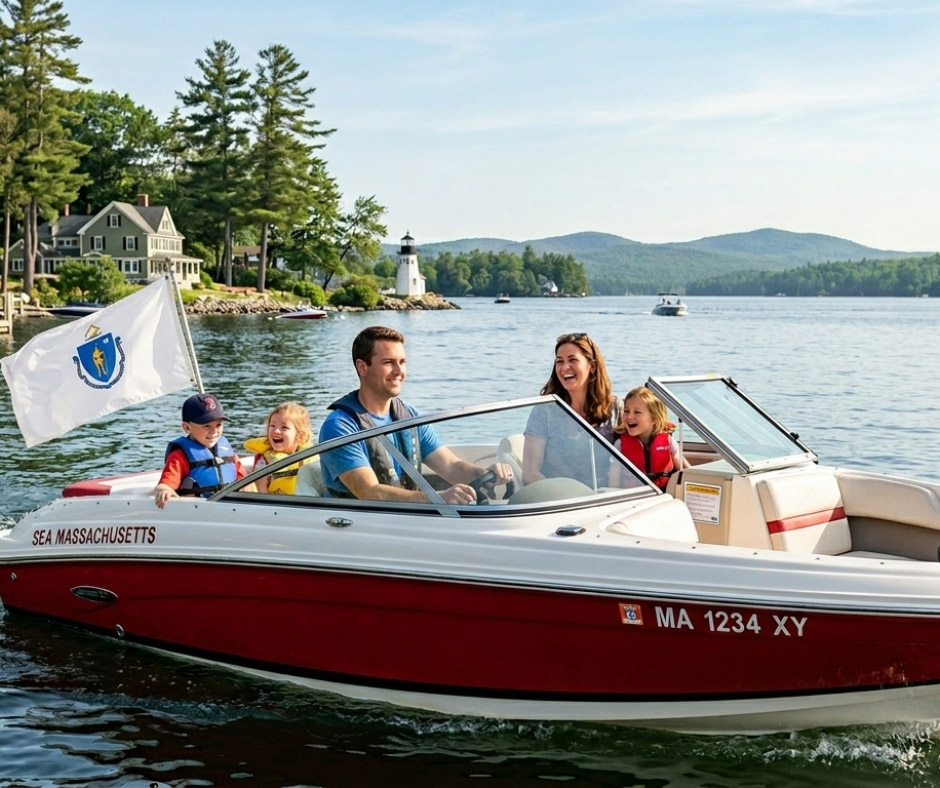
Navigation Update: The 2026 Milestone for Massachusetts Boaters

As of April 1, 2026, the Hanson-Milone Boater Safety Act marks a major turning point for recreational boating in the Commonwealth. While the law was passed in early 2025, this year represents the first hard deadline for a large segment of the boating community. For insurance agencies and vessel owners alike, this shift from “optional education” to “mandatory certification” changes the landscape of maritime risk management.

The 2026 Deadline: Who is Affected?

The new regulations require operators of all motorized vessels—including personal watercraft like Jet Skis—to carry a state-approved boating safety certificate. The 2026 update specifically targets a key demographic:

  • Birthdate Trigger: Anyone born after January 1, 1989, is now required to have completed an approved safety course by April 1, 2026.
  • Grace Period: While the law takes effect in April, the Massachusetts Environmental Police have indicated a ramp-up period, with active penalties and fines scheduled to begin on September 1, 2026.
  • The Next Wave: Operators born on or before January 1, 1989, are currently in a transition period and have until April 1, 2028, to comply.

Why Insurance Agencies are Prioritizing This Change

For local insurance agencies, the 2026 deadline is more than just a regulatory hurdle; it is a tool for promoting safer waterways. From a coverage perspective, a certified boater is statistically less likely to be involved in a major accident.

Here is how the 2026 requirements intersect with your insurance policy:

  • Verification of Competency: In the event of a liability claim, proving that the operator was in full compliance with state law—including holding the 2026 mandatory certificate—is a key factor in a smooth claims process.
  • Discount Eligibility: Many carriers provide “Safe Boater” discounts. With the 2026 mandate now in place, providing your agency with a copy of your new certificate is an easy way to verify your eligibility for lower premiums.
  • Policy Reviews: This regulatory shift provides a perfect opportunity to review vessel values and liability limits. As more people head to the classroom to get certified, agencies are seeing an uptick in owners who want to better understand their total risk profile.

Quick Guide to Compliance

RequirementDetail
Vessel TypeAll motorized boats and Personal Watercraft (PWC).
Course ContentNavigation rules, emergency response, and local laws.
CertificateMust be carried on the vessel (digital or physical).
PenaltyFines for non-compliance start after Sept 1, 2026.

Preparing for the Season

The goal of the Hanson-Milone Act is to standardize the knowledge of everyone on the water, reducing the “operator inexperience” factor that leads to many avoidable incidents. By securing your certification before the April deadline, you avoid the rush and the potential for late-season fines.

Whether you are navigating the coast or enjoying one of our many inland lakes, staying current with state requirements is a hallmark of a responsible owner. Let us know when you receive your new certificate and we will confirm that your coverage aligns with these updated standards.

Small Business Insurance: New Year, New Risks – Why Your Policy Needs a January Review

Why Small Business Owners Should Review Their Commercial Insurance Coverage

The start of a new calendar year is more than just a fresh page—it’s a critical moment for small business owners to assess and adjust their operations. Your small business insurance policy should be at the top of this review list. As your business evolves, so do the liabilities you face, and inadequate commercial insurance coverage can leave your company exposed to financial loss.

January: The Best Time for a Business Insurance Audit

Why kick off the year with an insurance review? Your business operations in the previous year often involve changes that directly impact your risk profile:

  • Growth and Expansion: Did you hire new employees, increase inventory, or lease a larger office space?
  • New Equipment/Assets: Purchasing new machinery, technology, or vehicles changes the value of your assets that need protection.
  • Updated Services or Products: Launching a new offering may introduce professional or general liability risks not covered by your current policy.
  • Changing Regulations: New state or industry-specific compliance requirements might necessitate different forms of business liability insurance.

Key Areas to Update in Your Small Business Insurance Policy

A thorough January review helps identify gaps in your protection. Focus on these critical types of small business insurance:

1. General Liability Insurance (GLI)

Did your client interactions or on-site foot traffic increase last year? General liability insurance protects against claims of bodily injury or property damage for which your business could be held responsible. Verify that your current liability limits align with your updated exposure, especially if you moved to a new location or handle more high-value projects.

2. Commercial Property Insurance

This coverage protects the physical assets of your company—buildings, equipment, inventory, and supplies. Review the following:

  • Inventory Value: If sales surged, your current coverage limits might undervalue your stock, leaving you under-indemnified after a loss event.
  • New Asset Valuation: Have you purchased new computers, manufacturing equipment, or furniture? Update your asset schedule to reflect the current replacement cost.
  • Business Interruption Coverage: Has your revenue increased? This vital component, often bundled with property insurance, must reflect your current profitability to adequately cover lost income following a covered peril.

3. Workers’ Compensation Insurance

If your employee count changed, or if roles shifted to include higher-risk duties, your Workers’ Comp insurance classifications and premium will need an adjustment. Failing to accurately report payroll and job functions can lead to penalties or claims issues down the line.

4. Professional Liability (E&O) and Cyber Insurance

For service-based businesses (consultants, IT, marketing agencies), Professional Liability Insurance (Errors & Omissions) is crucial. If you begin offering new, higher-risk services (e.g., handling client data, providing complex advice), re-evaluate your limits.

Furthermore, with cyber threats rising, all small business owners should review their Cyber Liability Insurance to confirm it covers data breaches, regulatory fines, and business interruption from a cyber-attack.

Your Action Plan for a January Insurance Review

Don’t wait until a claim occurs to discover a coverage shortfall. Follow these steps to optimize your commercial insurance in the new year:

  1. Document All Changes: Create a detailed list of new hires, large asset purchases, revenue changes, and any new services/products from the past 12 months.
  2. Contact Your Broker: Schedule a dedicated review with your small business insurance agent or broker to discuss the documented changes.
  3. Compare Quotes: The market is always changing. Use the new year as a trigger to quickly compare business insurance quotes to confirm you are getting competitive rates for the required coverage.
  4. Confirm Deductibles: Verify that your current deductibles are financially manageable for your business.

Protecting your assets with the right coverage is a foundational element of a strong business plan. Start the year right by securing comprehensive small business protection.

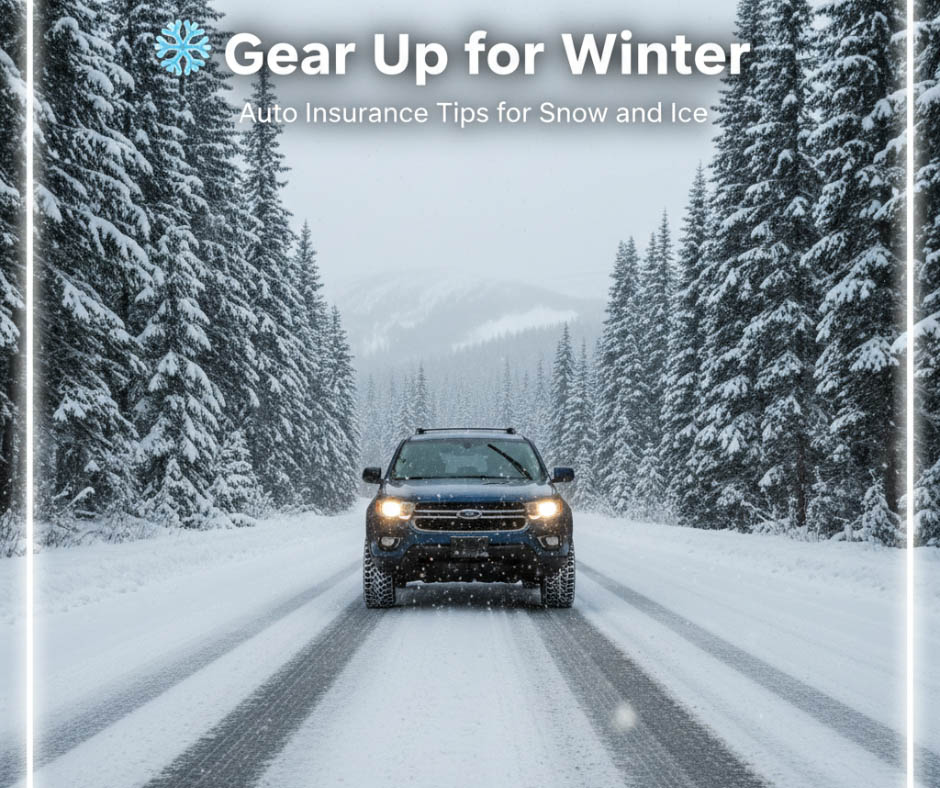
Gear Up for Winter: Auto Insurance Tips for Snow and Ice

Winter brings a unique set of challenges for drivers, from icy roads to snowdrifts. While preparing your vehicle for the cold weather is crucial for safety, understanding how your auto insurance protects you during these treacherous months is equally important. Taking proactive steps now can save you from a headache and a financial hit when the temperatures drop.

🚗 Preparing Your Vehicle for Winter Roads

Before the first snowflake falls, dedicate some time to winterize your car to prevent breakdowns and make driving safer. Tires are your vehicle’s most vital connection to the road. You should inspect the tread depth to ensure you have enough grip for slippery surfaces. You can use the classic “penny test”—if you can see the top of Lincoln’s head when you insert a penny head-first into a tread groove, you should probably consider new tires. Also, remember that cold weather causes air pressure to drop, so check your tires regularly to improve handling and fuel efficiency.

Beyond the tires, focus on your vehicle’s essential fluids and systems. Battery health is critical; cold temperatures significantly reduce battery power, making it essential to have it tested, especially if it’s older than three years. In terms of fluids, check your antifreeze mixture to prevent your engine from freezing, and top off your windshield washer fluid with a winter-grade solution that resists freezing. Finally, ensure your brakes are in top condition and that all of your exterior lights are functional so you can clearly see and be seen on dark, snowy days.

🧰 Don’t Drive Without a Winter Emergency Kit

Even the best-prepared car can be unpredictable in a snowstorm. Having a well-stocked emergency kit in your trunk is crucial if you get stranded or need quick assistance. This kit should contain several essential items designed to keep you warm, safe, and visible.

Your must-have emergency list includes:

  • Traction and Tools: Jumper cables, a small shovel, and a bag of sand, cat litter, or rock salt to help your tires gain traction if you get stuck.
  • Warmth and Safety: Warm blankets, hats, and gloves to retain heat, a flashlight with extra batteries, and a basic first-aid kit.
  • Communication: A fully charged cell phone and a portable charger are vital for calling for help.
  • Sustenance: Non-perishable food and water, in case you are delayed for a significant amount of time.

🛡️ What Your Auto Insurance Covers in Winter

Understanding your policy is key to peace of mind during the challenging winter months. Your auto insurance is designed to protect you from common winter accidents and damage, but only if you have the right coverage.

  • Collision Coverage is what pays for damage to your vehicle if you are involved in an accident with another car or an object. If you slide on black ice and hit a guardrail, a light pole, or end up in a ditch, your collision coverage helps pay for your car’s repairs, minus your deductible. Since loss of control is so common in winter, this is one of the most critical coverages to maintain.
  • Comprehensive Coverage handles damage to your vehicle resulting from “non-collision” events. This is especially relevant in winter for events like hail or wind damage from a bad storm, or if a tree branch falls on your car due to heavy ice or snow. It also covers damage from theft, vandalism, and accidents with animals, which can still occur during the colder months.
  • Liability Coverage is mandatory in almost every state and is there to protect you financially if you are at fault for an accident. If you slide on an icy overpass and cause an accident that injures another person (Bodily Injury) or damages another vehicle or someone’s property (Property Damage), your liability coverage will step in to cover those costs, up to your policy limits. Remember, this coverage never pays for damage to your own vehicle.

As the snow falls and the temperatures drop, the combination of a well-prepared vehicle, a stocked emergency kit, and the right auto insurance coverage is your best defense against winter’s driving hazards. Take a moment to check your tires, test your battery, pack those blankets, and, most importantly, review your policy’s Collision and Comprehensive coverage with us. Don’t let a slick road result in a financial headache. Being proactive now prepares you for the challenges of snow and ice with confidence and security, knowing you’re protected on all fronts.

Why October Is the Perfect Time to Review Your Auto Insurance Coverage

As autumn deepens, October brings more than crisp air and colorful leaves—it’s also an excellent month to take stock of your auto insurance. Here are reasons why October is especially good, plus what to review, and steps to take so you’re covered right for the rest of the year.

Why October?

  1. Policy Renewal Cycles Often Happen in Fall
    Many auto insurance policies renew annually or semi-annually. If your policy is nearing its renewal date this fall, October offers a natural checkpoint to reassess. You’ll have time before winter, when changing conditions can increase risk.
  2. Weather Changes Increase Risk
    With cooler nights, earlier darkness, possible frost or snow in many regions, and worse driving conditions (wet leaves, occasional ice, fog, etc.), your risk profile shifts. Your current policy that worked well in summer might leave gaps during harsher weather. October is right before many of these risks ramp up.
  3. State and Regulatory Updates
    Sometimes state laws, insurance regulations, or minimum required coverages change around the end of the year. Reviewing in October can give you lead time to adjust so you remain compliant and properly covered.
  4. Premium Adjustments & Rate Changes
    Many insurers revise their pricing for the coming year in late fall. Reviewing beforehand can help you lock in current premiums or shop around before proposed increases take effect.
  5. Life Events Tend to Accumulate Over the Year
    By October, many people have experienced changes in their driving habits: new drivers (teens getting licenses), moving, commuting distances changing, adding or removing vehicles, even using your car for side-jobs (e.g. deliveries). October is late enough in the year to catch these changes, but early enough to make adjustments before year’s end.
  6. Budgeting Before Holiday Expenses
    The holiday period often means more spending—travel, shopping, etc. Reviewing insurance in October means you can plan or adjust your coverage and premium payments ahead of those expenses rather than being surprised by an increase in December or January.

What to Review

When you sit down and go through your auto insurance in October, check these items:

  • Coverage levels: Is your liability, collision, comprehensive coverage still adequate? Do you need higher protection for weather damage, theft, or vandalism?
  • Deductibles: Higher deductibles can lower premiums—but make sure you could afford them if you need to use coverage.
  • Discounts: Are there new discounts you qualify for? Safe driver, bundling home & auto, low mileage, good student, safety features (anti-theft, backup cameras, etc.).
  • Usage changes: Has your commute changed? Are you driving less or more? Using the vehicle for delivery or rideshare? This may require different coverage or affect risk.
  • Vehicle changes: Bought/sold a car, added or removed someone who drives frequently, modifications made (e.g. aftermarket parts, safety upgrades).
  • State law requirements: Especially legal minimums—for example, liability limits or uninsured motorist coverage. Laws sometimes change, so confirm you meet the current mandates in your area.
  • Claims history / driving record: Any accidents, tickets, or other events since your last review? These can affect premiums, and sometimes insurers allow you to reassess how these are factored in.

Steps to Take in October

  1. Gather all policy documents: Your current policy, renewal notices, driving record, vehicle info.
  2. List changes since last review: Commute miles changed, new drivers, new car, modifications, shifts in usage.
  3. Talk with your agent or insurer: Ask specifically about opportunities to reduce premiums without sacrificing necessary protection.
  4. Shop around: Get quotes from at least two or three insurers to compare. Insurers change pricing, so staying loyal may cost you.
  5. Adjust coverage: Make changes where warranted—maybe drop collision on a very old vehicle, raise deductible, add needed protections.
  6. Set reminders: If your renewal is later, mark your calendar so you don’t forget. Insurance policy review shouldn’t be a once-in-a-few-years thing—it pays off to check annually.

Potential Benefits

  • Cost savings: Either via securing better premiums, reclaiming discounts, or avoiding paying for protections you no longer need.
  • Better protection: Ensures you’re not under-insured when bad weather, winter driving, or emergencies hit.
  • Security: Knowing you’re covered appropriately before seasonal shifts or year-end changes avoids surprises.
  • Compliance: Avoid fines or gaps in coverage due to changes in law or policy requirements.

Things to Watch Out For

  • Don’t strip coverage too much: While saving is good, being underinsured in case of damage from weather, theft, or an accident can be costly.
  • Understanding exclusions: Some policies exclude certain types of damage (e.g. flood, hail) unless you add them. Review what’s in the fine print.
  • Lapse danger: Avoid gaps between policies when switching carriers. Even a short lapse can hurt your record or leave you exposed.
  • Policy timing: If you adjust coverage mid-policy, check how the pro rata of premium changes works—some adjustments might increase your monthly payments.

October is more than just the gateway to colder weather—it’s a smart time to make sure your auto insurance matches your current life, risk exposure, and budget. With some planning now, you’ll be better prepared for winter’s challenges, avoid surprises, and possibly save money.

What to Look for When Buying a Home – From an Insurance Perspective

Buying a home—whether it’s your first starter, a forever nest, or a vacation escape—is thrilling and sometimes stressful. Along with choosing price, neighborhood, layout, and that dreamy front porch view, there’s a critical but often overlooked factor: homeowners insurance.

Working with an independent insurance agency can help ensure you’re fully protected—not just meeting lender requirements but actually covering real risks. Before you say “yes” to a home, here’s a clear, step-by-step checklist to guide your decision from an insurance lens.

1. Location Matters—Big Time

While proximity to schools, work, and family is key, your home’s insurance risk is highly tied to where it sits. Be sure to consider:

  • Flood risk: Standard policies usually don’t cover floods. If you’re eyeing a property near rivers, lakes, or coastlines, you may need separate flood insurance.
  • Fire safety access: Homes far from fire hydrants or a fire department (especially in rural or wooded areas) typically come with higher insurance rates.

2. The House’s Age & Condition

Older homes charm us, but they often carry insurance challenges:

  1. Roof age – Roofs under 10 years old typically qualify for better coverage and lower premiums. A well-kept, newer roof is a big plus.
  2. Plumbing & electrical – Galvanized pipes and outdated wiring (like knob-and-tube or old panels) are red flags that can make insurance expensive or impossible without upgrades.

What to Do:

  • Have sellers disclose roof replacements or provide documentation.
  • Use a home inspection to assess wear and system integrity.
  • Consider preemptive updates before moving in.

3. Past Insurance Claims History

Every home has a history of claims that can affect your coverage options and costs. Here’s why that matters:

  • Multiple damage claims (like water or wind damage) can signal ongoing or hidden problems.
  • A history of frequent claims may lead to higher premiums—or difficulty finding coverage at all.

Tip: Pull the home’s CLUE (Comprehensive Loss Underwriting Exchange) report to review claims over the past 5–7 years.

4. Security Features & Discounts

Adding security isn’t just smart, it can save you money. Many insurers offer discounts for features like:

  • Monitored burglar or alarm systems
  • Deadbolts or smart locks
  • Smoke alarms and fire detection
  • Storm shutters, impact-resistant windows, or fire sprinklers

Ask your agent which upgrades make sense and how much they could reduce your premium.

5. Landscaping & External Risks

Trees, plants, and yard features enhance curb appeal, but can create insurance vulnerabilities:

  • Overhanging branches can fall during storms, threatening roofs or windows
  • Root systems may damage foundations or underground lines
  • Dense vegetation near the home could elevate fire risk

Action item: Have an arborist inspect large trees and trim or remove any that pose a threat.

6. Construction Materials & Disaster Resistance

The materials and building of a home significantly affect its insurability:

  • Brick or masonry is generally more fire-resistant and potentially cheaper to insure
  • Wood-framed homes may carry higher insurance rates due to fire vulnerability
  • Manufactured/mobile homes often require specialty insurance
  • In areas prone to tornadoes, hurricanes, or earthquakes, features like reinforced structures, storm shutters, and safe rooms can make a big difference in both safety and premiums

7. Get Insurance Quotes Early

Don’t wait until closing to check insurance rates. Here’s why early quotes are smart:

  • They give you a clear picture of your total housing budget
  • You may uncover coverage gaps (like flood or wind insurance needs) before committing
  • You can explore savings through discounts from security systems, renovations, or bundled policies

Bottom Line

When buying a home, insurance isn’t just paperwork, it’s crucial protection for your investment and family’s future. By evaluating location, home age and condition, claims history, security features, landscaping risks, and construction type—and getting quotes early—you’ll be much better equipped to make a confident, informed decision.

Next Step:
Reach out to your independent insurance agent to:

  1. Explore standard homeowners coverage and any required add-ons (flood, wind, etc.)
  2. Review home-specific risk factors and possible discounts
  3. Get comparative quotes before finalizing your purchase

Protect what matters—your home, your loved ones, and your security.

The Answers to Common Questions About Motorcycle Insurance

Owning a motorcycle brings a sense of freedom and excitement, but it also comes with responsibilities, including the need for proper insurance coverage. Motorcycle insurance is essential for protecting yourself, your bike, and others on the road. Many riders have questions about how motorcycle insurance works, what it covers, and how to choose the right policy. Below, we answer some of the most common questions about motorcycle insurance to help you make informed decisions.

What Does Motorcycle Insurance Cover?

Motorcycle insurance typically includes several types of coverage to protect against various risks. These may include:

  • Liability Coverage – Covers bodily injury and property damage to others if you are at fault in an accident.
  • Collision Coverage – Pays for repairs to your motorcycle if you are involved in an accident, regardless of fault.
  • Comprehensive Coverage – Protects against non-collision-related damages such as theft, vandalism, or weather-related incidents.
  • Uninsured/Underinsured Motorist Coverage – Provides protection if you are involved in an accident with a driver who lacks adequate insurance.
  • Medical Payments Coverage – Helps cover medical expenses for you and your passengers in the event of an accident.
  • Accessories and Custom Parts Coverage – Covers modifications, upgrades, and custom parts added to your motorcycle.

Is Motorcycle Insurance Legally Required?

Yes, motorcycle insurance is required in most states, similar to auto insurance. The minimum requirements vary by state but typically include liability coverage for bodily injury and property damage. Some states also require uninsured/underinsured motorist coverage. Failing to carry adequate insurance can result in fines, license suspension, or legal penalties.

How Is Motorcycle Insurance Different from Auto Insurance?

While motorcycle and auto insurance share similarities, they have key differences. Motorcycles generally have higher accident risks due to their smaller size and lack of enclosed protection. As a result, motorcycle insurance often includes specialized coverage options such as helmet and safety gear protection. Additionally, policies may have different premium structures based on riding habits, seasonal usage, and bike type.

How Are Motorcycle Insurance Rates Determined?

Several factors influence the cost of motorcycle insurance, including:

  • Rider’s Age and Experience – Younger and less experienced riders typically face higher premiums.
  • Type of Motorcycle – Sportbikes and high-performance motorcycles usually cost more to insure due to increased risk.
  • Location – Urban areas with higher accident and theft rates may lead to higher insurance costs.
  • Driving Record – A clean driving history can result in lower premiums, while violations or accidents may increase costs.
  • Coverage Limits and Deductibles – Higher coverage limits and lower deductibles typically result in higher premiums but provide greater protection.

Are There Discounts Available for Motorcycle Insurance?

Yes, many insurance providers offer discounts to help reduce premiums. Some common discounts include:

  • Multi-Policy Discount – Bundling motorcycle insurance with auto or home insurance can lead to savings.
  • Safe Rider Discount – Completing a motorcycle safety course may qualify you for lower rates.
  • Anti-Theft Discount – Installing security devices such as alarms or GPS trackers can lower theft risk and premiums.
  • Loyalty and Renewal Discounts – Long-term policyholders or those who renew their policy with the same insurer may receive discounts.

Does Motorcycle Insurance Cover Passengers?

It depends on the policy. Some motorcycle insurance policies include coverage for passengers under medical payments or personal injury protection (PIP). If you frequently ride with a passenger, it’s essential to confirm with your insurer whether they are covered and, if not, add the necessary protection.

What Happens if My Motorcycle Is Stolen or Damaged by Weather?

If you have comprehensive coverage, your policy will help pay for damages or replacement if your motorcycle is stolen, vandalized, or damaged due to weather events such as hail or flooding. Without comprehensive coverage, you would be responsible for the costs out of pocket.

Can I Pause My Motorcycle Insurance in the Off-Season?

Some insurers allow you to adjust your coverage during the off-season if you don’t ride year-round. You may be able to reduce coverage to comprehensive-only, which protects against theft and damage while the bike is stored, without paying for liability or collision coverage when the motorcycle isn’t in use.

How Can I Find the Best Motorcycle Insurance Policy?

To find the best policy for your needs:

  • Compare Quotes – Get quotes from multiple insurers to find the best balance of coverage and affordability.
  • Assess Your Coverage Needs – Consider factors such as your riding habits, bike value, and risk tolerance.
  • Check Customer Reviews – Research insurer reputation, customer service, and claims handling.
  • Consult an Insurance Agent – Speaking with an experienced insurance agent can help you understand policy options and make informed decisions.

Motorcycle insurance is a crucial part of responsible riding, providing financial protection against accidents, theft, and liability claims. Understanding your coverage options and asking the right questions ensures you get the best policy for your needs. If you’re unsure about which coverage is right for you, working with a knowledgeable insurance provider can help you navigate your options and secure the protection you need on the road.

WINTERIZING YOUR CAR CHECKLIST

The winter months can be harsh on your car. Freezing temperatures and tough road conditions like snow, ice, salt, sand and potholes can take their toll if your vehicle isn’t properly winterized. Fortunately, you can keep your car riding smoothly throughout the season with this winterize car checklist. And if you plan on storing your car over the winter, we have some tips for that too!

Winterize Car Checklist: Driving

Tires

Make sure your tires are in good shape. Low temperatures cause tire pressure to decrease, so make sure they’re inflated to the recommended PSI listed in your manual. While you’re at it, check the tread depth. It’s dangerous to drive on worn tires in slippery conditions.

If you live in an area with regular snowfall, you may consider replacing your all-season or summer tires with snow tires. Snow tires remain flexible and soft in cold temperatures. They’ll improve your car’s handling on snow-covered roads and other slippery surfaces.

Wipers

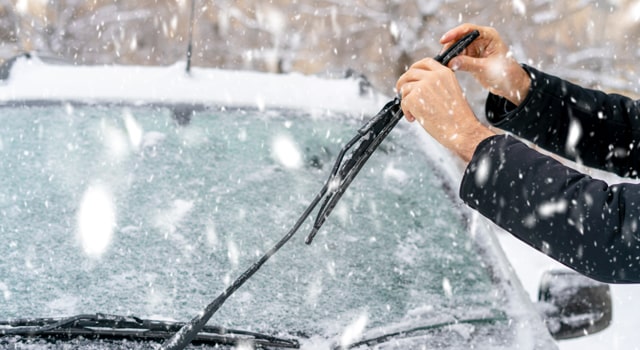
Winter driving means lots of snow and rain, so take the time to inspect your windshield wipers. If they’re leaving streaks when you use them, it might be time to replace them with a fresh set.

Your wiper fluid is just as important to maintain visibility. Use a wiper fluid with antifreeze to keep ice from forming on your windshield.

Engine

Cold temperatures cause engine oil to thicken, so it’s important to use the right oil grade. Not sure what the right oil is for your car? Simply check your owner’s manual.

While you’re in your engine bay, double check that your coolant is the right ratio for your car. Typically, a 50/50 mixture of antifreeze and water should be sufficient. Again, refer to your owner’s manual for your car’s specific coolant needs.

Battery

The cold can affect your battery life. Many auto parts stores offer quick and free battery inspections. If it’s getting weak, it might be a good idea to replace it. You don’t want to be stranded with a dead battery in the middle of a storm.

Tools

Keep a good scraper and other safety gear in your car. Always scrape off any and all snow from your car. Driving with snow on your car is not only unsafe for you, it also puts others in danger.

Leave a shovel in your car to help dig out of any sudden snow. Rock salt, jumper cables and flares will also keep you prepared.

Wash Your Car

Give your car a fresh coat of wax before the winter season hits and then wash it often. Dirt, salt and other elements can damage your car’s finish. More importantly, the combination of road salt and water is extremely corrosive to steel. It’s a good idea to wash the salt off every few weeks to keep your car rust-free. Make sure you give the underside of your car a good rinse when you do.

Interior

Your shoes can track dirt and salt into your car along with mud. If you live in a snow- prone area, consider waterproof floor mats for your car. They can be custom-made or trimmed for your vehicle; many auto manufacturers offer factory-made ones. Floor mats not only help keep your interior clean, but also prevent water from soaking into your floors, which deters mold or funky smells.

Brakes

Your brake system is one of the most vital safety features of your car. Slowing down on icy or snow-covered roads can be challenging, so it’s important to have your brakes checked by a professional.

Winterize Car Checklist: Storage

If you plan on storing your car for the winter, be sure to do it properly.

Gas

Fuel degrades over time, so use a fuel stabilizer if your engine allows it. Before you start, read your product’s instructions for the right stabilizer-to-fuel ratio. Add the stabilizer when your tank is almost empty, then put in fresh gas. Finally, run the car for about 10 minutes to circulate the stabilized fuel.

Remember to top off your gas before you store your car for the winter. Condensation and moisture can build up in an unfilled fuel tank, which in turn can lead to rust.

Cover

Whether you’re storing your car indoors or outside, a good cover will go a long way. Look for a cover with a fleece interior that’s sized specifically for your car. The better the fit, the better your finish will be protected. Be sure to wash your car before you cover it, as grime can scratch or mar your paint when the cover goes on and off.

Also, be sure to cover up your exhaust pipes and any openings to the interior. These small openings are enticing for critters to climb inside. You don’t want to come back to a chewed wire or pipe.

Interior

If you’re storing your car for the season, give the interior a good cleaning. You may also want to use a moisture absorber, as it can help prevent mold and rust. Check on the moisture absorber and replace it periodically.

Parking

There are a couple things to consider if you plan on parking your car in the same place for a long time. Tires can develop flat spots over time, so be sure to drive your car about every two weeks to keep the wheels in good shape.

In addition, don’t use jack stands to hold your car for an extended period of time. This can bend and damage the frame of your car, which is worse than a misshapen tire.

Battery

The electrical system in your car always draws some power from your battery, even when the car isn’t on. It’s not enough to drain your battery day to day, but over a few weeks your car battery can run out. Disconnect the battery and remember to hook it back up before a drive.

Driving your car periodically over the season will help keep your battery and other systems in your car in shape. If you do have to park your car long term, unplug the battery and hook it up to a car battery tender designed for long-term use.

Outdoor Storage

If you don’t have access to a garage, you may have to store your car outdoors during the winter. When storing a car outdoors, try to park it on a level driveway with the wheels properly chocked. You should also use a heavy-duty waterproof cover and shovel away snow as soon as possible. Finally, avoid leaving your car under a tree or anywhere snow or ice can fall on it.

Don’t wait until after the first snowstorm hits, and don’t forget about insurance coverage. Carrying comprehensive and collision coverage is one of the best ways to protect your car, whether you’re driving or storing it this winter.  Our agents at Lydon & Murphy Insurance can give you more information about comprehensive and collision coverage and determine if it’s the right coverage for your needs. Call us today.  (Phone Number) Source: https://www.plymouthrock.com/resources/winterizing-car-checklist

Renewal Home Insurance Process: A Comprehensive Guide

Home insurance is a vital aspect of protecting your home and investment. As your policy’s expiration date approaches, it’s essential to understand the renewal process and make informed decisions to ensure your coverage remains adequate. In this guide, we’ll walk you through the renewal home insurance process and highlight key considerations.

Understanding the Renewal Process

Home insurance policies typically have a one-year term, and they need to be renewed annually to maintain coverage. The renewal process involves the following steps:

Review Your Policy Documents

Start by reviewing your current home insurance policy. Pay close attention to the coverage limits, deductibles, and any endorsements or riders you may have added during the previous term. Understanding your existing coverage is crucial for making informed decisions during renewal.

Receive Renewal Notice

Your insurance provider will send you a renewal notice before your policy’s expiration date. This notice will include important details such as your premium for the upcoming term, any changes to your policy, and the renewal deadline.

Assess Your Coverage Needs

Take the time to assess your current coverage needs. Consider any changes in your home, its contents, or your personal circumstances that may require adjustments to your policy. This is an opportunity to ensure that your coverage adequately protects you against potential risks.

Contact Your Insurance Agent

Reach out to your insurance agent or provider to discuss your renewal options. They can help you understand any changes to your policy, answer questions, and provide guidance on adjusting your coverage.

Compare Quotes

While you can renew your existing policy, it’s also a good practice to compare quotes from other insurance providers. This allows you to evaluate whether your current policy remains competitive and whether you can find better rates or coverage elsewhere.

Make Necessary Adjustments

Based on your assessment and discussions with your agent, make any necessary adjustments to your policy. This may involve increasing or decreasing coverage limits, changing deductibles, or adding endorsements to enhance your protection.

Pay Your Premium

Once you’ve finalized your policy details, pay your premium for the upcoming term. Insurance companies typically offer various payment options, including annual, semi-annual, quarterly, or monthly payments. Choose the option that best suits your budget and preferences.

Key Considerations for Renewal

As you go through the renewal process, keep the following considerations in mind:

  • Review Coverage Limits: Ensure that your coverage limits are sufficient to protect your home and belongings adequately. Home values and replacement costs can change over time, so it’s essential to keep your coverage up to date.
  • Evaluate Deductibles: Consider whether you’re comfortable with your deductible amounts. Adjusting deductibles can impact your premium, so choose amounts that align with your financial situation.
  • Assess Endorsements: Review any endorsements or riders you have added to your policy. Make sure they still meet your needs and consider adding new ones if necessary.
  • Check for Discounts: Inquire about available discounts. Insurance providers often offer discounts for factors like home security systems, bundled policies, or loyalty to encourage renewals.
  • Shop Around: While renewing with your current provider is convenient, don’t hesitate to shop around. Comparing quotes can help you find the best coverage at the most competitive rates.
  • Stay Informed: Stay informed about any changes in your policy terms and conditions. Ensure you understand what your policy covers and any limitations or exclusions.
  • Plan Ahead: Don’t wait until the last minute to renew. Start the process well in advance of your policy’s expiration date to avoid any coverage gaps.

In conclusion, renewing your home insurance policy is an essential annual task for homeowners. By understanding the renewal process and considering your coverage needs, you can ensure that your policy provides adequate protection for your home and peace of mind for you and your family. Don’t hesitate to reach out to your insurance agent for guidance and to explore your options during the renewal period.

Why It’s Crucial to Inform Your Insurance Agent About New Additions to Your Home

Adding something new to your home or yard, like a pool or trampoline, can be exciting and enhance your lifestyle. But before you dive in, it’s essential to inform your insurance agent about these additions. Why? Because these new features can significantly impact your homeowners policy. Here are four important reasons why keeping your agent in the loop is a smart move:

1. Risk Assessment and Coverage Needs

When you add a pool or trampoline to your property, you’re not just adding fun; you’re also adding potential risks.

  • Pools: While they offer great relaxation and entertainment, pools are considered a significant liability due to the potential for accidents, drownings, and injuries. Letting your insurer know about your pool allows them to assess the specific risks and ensure your policy covers them.
  • Trampolines: These can be a blast for the kids, but they’re also associated with a higher risk of injuries, like fractures and sprains. Some insurers might require specific safety measures, or they may exclude trampoline-related injuries from coverage.

2. Policy Accuracy and Claims Processing

Transparency with your insurance agent is key to maintaining an accurate policy that reflects the real risks of your property.

3. Legal and Safety Requirements

Many areas have strict regulations regarding pool safety and trampoline use. Staying compliant with these regulations is vital, and your insurance agent can help ensure that your coverage aligns with local requirements. This not only helps you avoid legal issues and potential fines but also ensures that you’re fully protected under your policy.

4. Premium Adjustments

Adding a new feature like a pool or trampoline might result in changes to your insurance premiums. Insurers often adjust rates based on the increased risk associated with these features. Discussing these changes with your agent upfront helps you understand any potential cost adjustments and ensures there are no surprises down the road.

Keep Your Coverage Current

Whenever you add something new to your home or yard, it’s crucial to inform your insurance agent. This helps tailor your policy to reflect the true risks associated with your property, ensuring comprehensive protection and compliance with safety standards. Stay proactive in updating your coverage—your home’s safety and your financial freedom depend on it!

Reach out to your insurance agent to review your homeowners policy and ensure you’re fully covered for any recent additions to your property. It’s a simple step that can save you from complications later on! Source: https://www.theinsurancem.com/20-home-insurance-blog-topics/