What You Need to Know About Condo Association Insurance

Condominium Associations provide hazard and liability insurance as part of the condo owners monthly dues. The policy covers common areas and shared features such as the roof, exterior structure and boiler room as well as amenities like the pool and sports courts.

When you buy insurance for a condominium association, there are a number of coverages that you should buy. Some of the most common (and important) types of coverage include:

  • Fidelity Liability: This covers the costs of embezzlement or theft of money from the association by a board member.
  • Worker’s Comp insurance: This is just in case a volunteer gets injured while working on behalf of the association.
  • Bare walls coverage: As the name implies, this cover is for the basic building structure. This includes walls, floors, roof and elevator/s.
  • Single entity coverage: This covers individual unit finishes except for the owner’s personal property. This coverage doesn’t include refurbishments on said finishes. The unit owner is responsible for improvements to countertops, floors or light fixtures within the unit.
  • General liability insurance: This is one of the most important coverage to include in a condo association policy. That’s because it covers the cost of lawsuits that may happen because of accidents that occur within the building. For instance, someone might slip and fall while doing repairs on the property. The association can also be sued for issues like failure to provide adequate security thus placing owners at risk of burglary or attack.
  • Director’s and Officer’s Liability insurance: Did you know that members of the condo board can be sued or held liable for missteps in decision making? It doesn’t seem fair because they’re just volunteering and doing their best for the community. Unfortunately, this doesn’t exempt them from liability. For instance, if the board puts in a new sidewalk and omits a compulsory hand railing, someone could hurt themselves and sue the condo association. As part of the decision-making committee, each board member will face personal liability in the lawsuit. The good news is there are coverages for such scenarios. There’s a Directors and Officers Liability insurance which protects all board members in case they make certain mistakes.
  • Personal Property Coverage: This is coverage for personal property of the association. It’s important to understand what’s covered in your association’s master insurance policy. That way, you won’t pay for items the association has already covered. That takes us to our next section which deals with some of the most important insurance coverages to consider as a unit owner.

Our commercial lines agents specialize in condominiums so they’re familiar with the condo property act and other regulations, as well as the claims process as condominiums have a unique claims process. They can also provide you with risk management guidelines as to what activities the board could do to reduce the risk of a loss. It’s important to be proactive when selecting an insurance policy. If you think you may need condo association insurance, give us a call or request a quote on our website. Source: https://www.condocontrol.com/condo-association-guide/condo-insurance/ and https://homeguides.sfgate.com/hoa-condo-insurance-cover-52025.html

CRASH-AVOIDANCE FEATURES COMPLICATE AUTO REPAIRSBUT STILL ARE VALUED

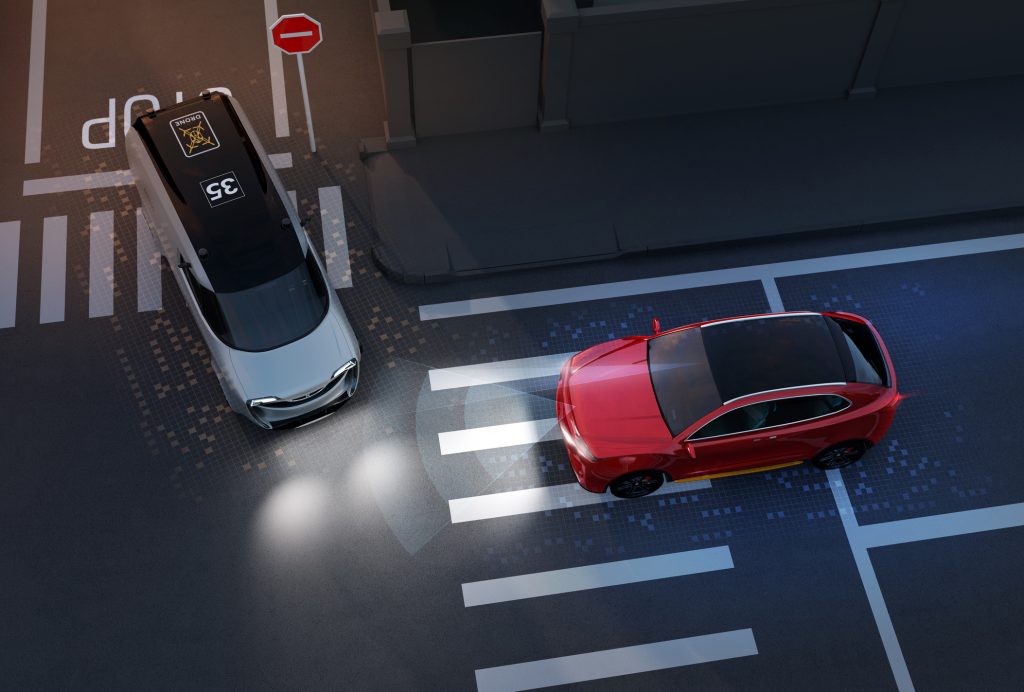
As more new vehicles become equipped with crash-avoidance features, some owners report significant issues with the technologies after repairs, according to a recent report from the Insurance Institute of Highway Safety (IIHS).


In the survey, approximately half of those who reported an issue with equipped front crash prevention, blind-spot detection, or rearview or other visibility-enhancing cameras said at least one of those systems presented problems after the repair job was completed.


Nevertheless, many owners remained eager to have a vehicle with these features and were pleased with the out-of-pocket cost, according to Alexandra Mueller, IIHS senior research scientist.


“These technologies have been proven to reduce crashes and related injuries,” Mueller said. “Our goal is that they continue to deliver those benefits after repairs and for owners to be confident that they’re working properly.”


Still, as problems with these technologies persist, the study notes that it is important to track repair issues to further the adoption of crash avoidance features. IIHS research has shown that front-crash prevention, blind-spot detection, and rearview cameras all substantially reduce the types of crashes they are designed to address. For example, IIHS said, automatic emergency braking reduces police-reported rear-end crashes by 50 percent.


An analysis conducted by the IIHS-affiliated Highway Loss Data Institute (HLDI) showed the reduction in insurance claims associated with Subaru and Honda crash-avoidance systems remained essentially constant, even in vehicles more than five years old. But repairs can make it necessary to calibrate the cameras and sensors that the features rely on to work properly, making repairs complicated and costly.


For example, a simple windshield replacement can cost as little as $250, while a separate HLDI study found vehicles equipped with front crash prevention were much more likely to have glass claims of $1,000 or more. Much of that higher cost is likely related to calibration.


The new IIHS study found that owners often had more than one reason requiring repairs to these safety features. Most had received a vehicle recall or service bulletin about their feature, but that was rarely the sole reason they brought their vehicles in for service or repair.


“Other common reasons — which were not mutually exclusive — included windshield replacement, crash damage, a recommendation from the dealership or repair shop, and a warning light or error message from the vehicle itself,” according to the study.


Repair difficulties could motivate drivers to turn off crash avoidance features, potentially making collisions more likely.  But, despite the post-repair issues, the study found that slightly more than 5 percent of owners would opt not to purchase another vehicle with the repaired feature. As reckless driving and traffic fatalities continue to rise, advanced driver-assistance systems will only become more important for the roadway safety, necessitating reliable technology. 


Source:  Max Dorfman | https://www.iii.org/insuranceindustryblog/crash-avoidance-features-complicate-auto-repairs-but-still-are-valued/

Auto Insurers Contend With Rising Auto Costs

Auto premiums continue to increase as rising labor and material prices, alongside natural disasters, are forcing insurers to contend with significant losses.

As Triple-I previously found in its January report, Insurance Economics and Underwriting Projections: A Forward View, “commercial auto underwriting losses continue, with a projected 2023 net combined ratio of 110.2, the highest since 2017,” according to Jason B. Kurtz, FCAS, MAAA, a Principal and Consulting Actuary at Milliman. Combined ratio is a standard measure of underwriting profitability, in which a result below 100 represents a profit and one above 100 represents a loss.

Insurers are now having to increase rates in response to losses that are expected to keep rising.

“Nobody wants to have that higher-price bill,” said Sean Kevelighan, Triple-I’s CEO. However, he added companies “need to price insurance according to the risk level that’s out there.”

While inflation is partially to blame for these increases, natural disasters are also contributing to rising costs—and not only in traditionally disaster-prone areas like Florida and California.

As the overall P&C industry has struggled with severe convective storms, hurricanes, and other natural disasters, these losses have also been felt in commercial auto. In fact, 2023 witnessed around two dozen U.S. storms, each with losses of around a billion dollars or more. This included major lightning, hail, and damaging winds around many areas of the U.S.

“While a lot of these storms don’t make national headlines, they do tend to be very costly at the local level,” says Tim Zawacki, principal research analyst for insurance at S&P Global Market Intelligence. “And the breadth of where these storms are occurring is something that I think the industry is quite concerned about.”

While disasters and economic inflation continue to roil commercial auto, so too does social inflation. As the Triple-I previously reported, “social inflation,” which is the presence of inflation in excess of economic inflation, has also significantly contributed to increases in commercial auto premiums.

Triple-I found that “from 2013 to 2022, increasing inflation drove losses up by between $35 billion and $44 billion, or between 19 percent and 24 percent. The pandemic brought significant change to commercial auto liability, decreasing claim frequency while increasing claim severity more dramatically.”

This increased claim severity is at least partially due to changing driving patterns since the pandemic, including distracted driving, which involves behaviors like cellphone use while behind the wheel. A Triple-I Issues Brief, Distracted Driving: State of the Risk, enumerated these concerns, which have undoubtedly played a role in rising commercial auto premiums.

Indeed, a confluence of issues are playing into rising auto premiums. While natural disasters are out of the control of insurance providers and their policyholders, other factors must be addressed to steady the cost of this line of insurance. This includes telematics and usage-based insurance, which has gained more acceptance since the pandemic.

Still, it is incumbent on insurers, policyholders, and policymakers to create a more sustainable market for auto insurance, working together to tackle the challenges of both climate risk and dangerous driving behavior.

Source: https://insuranceindustryblog.iii.org/category/auto-insurance/

April is Distracted Driving Awareness Month

April is distracted driving awareness month. Here are some statistics about the critical issue of distracted driving and ways to cope with the distractions. Help spread the word: Just Drive.

Driving Dangers

  • Texting, emailing, accessing social media
  • Watching videos or surfing the internet
  • Snapping selfies
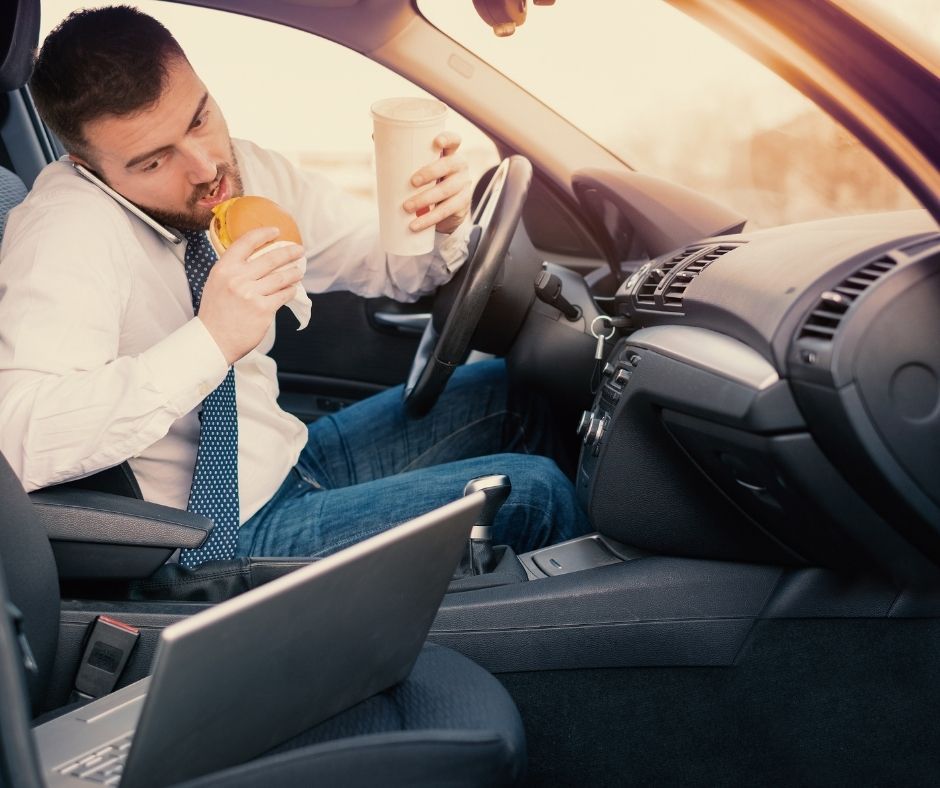
  • Distracted driving, such as eating and drinking, putting on makeup, arguing with passengers, etc.
  • Inputting or reading GPS directions
  • Using the infotainment system, fiddling with the radio, etc.
  • Impaired driving after drinking or drug use
  • Drowsy driving
  • Distracted Driving Statistics

According to the National Safety Council, 80% of drivers incorrectly believe that hands-free devices are safer than using a handheld phone. Hands-free drivers miss about 50% of what is happening around them as they drive and talk.

82% of Americans indicated that they felt pressure from their families to use phones while driving to keep in touch.

In the time you take your eyes off the road to read or send a text at 55 MPH, it is like driving the length of a football field blind.

Texting while driving is six times more likely to cause an accident than drunk driving.

10 Americans are killed and more than 1,000 are injured every day in distracted driving incidents

45% percent surveyed in AAA’s Traffic Study last year admitted to reading a text or email while driving in the previous 30 days, and 34.6 percent admitted typing or sending one.

Staying on Track

How do you avoid distractions and help those you love to stay on track with constant potential distractions?

  • Take a minute to prep before you drive. Before you take off, adjust your music, pair your phone, set up your GPS and note directions, check your texts/social media one last time, adjust your mirror and seat position.
  • Utilize the driving safety features on your phone. Use Apple’s Do Not Disturb While Driving feature or Android Auto.
  • Out of sight, out of mind. If you are still distracted by your phone, try putting it in the trunk or stowing it where it won’t tempt you.
  • Ask passengers for help. If you have passengers, ask them to read GPS, adjust the radio or answer phone calls/text
  • Pull over if you have to take a phone call or respond to an email/text.
  • Avoid driving while drowsy and late at night. To increase alertness, avoid driving alone on little sleep and, if you feel drowsy, take a nap at a rest stop or use caffeine for a short-term boost.
  • Pledge to “Just Drive”. Take the National Safety Council Pledge to “Just Drive” — and encourage everyone you care about to do the same.

Keep these statistics in mind while behind the wheel and contact us for your auto insurance needs. As your trusted MAPFRE agent, we can help you find the coverage you need within your budget. Call us or visit our website to speak with an agent. Source: https://www.mapfreinsurance.com/blog/distracted-driving-statistics-and-solutions/

Smart Choices, Safe Roads:Options to Avoid DUI and Insurance Premium Increases

The consequences of driving under the influence (DUI) extend far beyond legal repercussions; they can significantly impact your auto insurance premiums. Fortunately, there are various responsible choices and alternatives available to ensure you stay safe on the roads without jeopardizing your insurance rates. These options may help you make informed decisions and contribute to safer streets.

Designate a Sober Driver
One of the simplest and most effective ways to avoid a DUI is to designate a sober driver. Plan ahead and ensure that someone in your group remains alcohol-free to take the wheel. This not only safeguards you from legal troubles but also keeps your insurance premiums in check.

Use Ridesharing Services
In the era of technology, ridesharing services like Uber and Lyft have made it incredibly easy to secure a safe ride home. These services are cost-effective, convenient, and eliminate the need for you to drive under the influence. Spending a few dollars on a ride is a small price compared to the potential increase in insurance premiums after a DUI.

Public Transportation
If available, public transportation can be a reliable and economical option to avoid driving under the influence. Buses, trains, and subways provide a safe and responsible way to get home without the risk of a DUI impacting your insurance rates.

Stay Overnight
If you find yourself in a situation where driving is not an option, consider staying overnight. Crash at a friend’s place or book a nearby hotel to ensure you’re well-rested and sober before hitting the road. This decision not only keeps you safe but also protects your insurance premiums.

Arrange for a Taxi
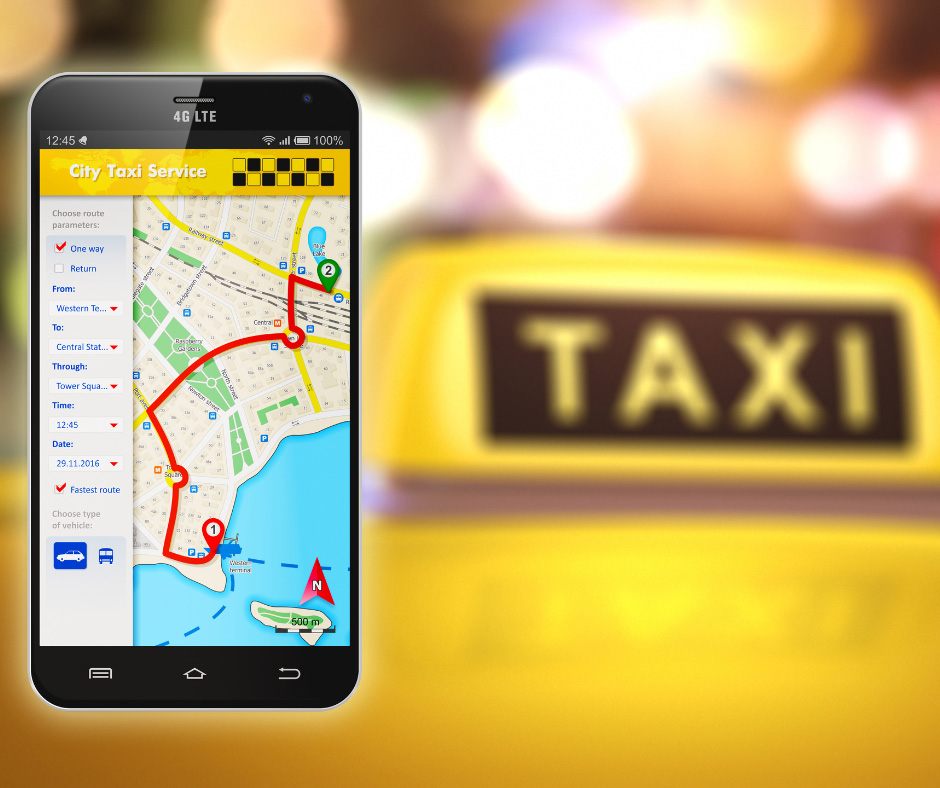
Traditional taxis remain a viable option for those looking to avoid a DUI. Although they may be less prevalent in some areas due to the rise of ridesharing, taxis provide a reliable means of transportation without the risk of an insurance premium hike.

Community Programs and Services
Some communities offer programs or services that provide safe rides home for individuals who have been drinking. Look into local initiatives, such as designated driver programs or free ride services during certain events, to help you make responsible choices without affecting your insurance rates.

Utilize Driving Alternatives
Explore alternative modes of transportation that don’t involve driving under the influence. Consider walking, biking, or carpooling with a sober friend. These alternatives not only keep you from facing a DUI but also contribute to environmentally friendly and socially responsible choices.

The options to avoid driving under the influence and prevent increases in insurance premiums are numerous and accessible. By making smart choices and taking advantage of alternative transportation methods, you not only protect yourself but also contribute to safer roads for everyone. Remember, the impact of a DUI goes beyond legal consequences, and the best way to navigate these challenges is by prioritizing responsibility and safety on the road.

Understanding Different Types of Auto Insurance Policies

Auto insurance is a necessary expense for all vehicle owners. It helps protect you financially in case of an accident or theft. In this blog, we’ll break down the various types of auto insurance policies to help you decide which one is right for you.

Liability Insurance

Liability insurance is the most basic type of auto insurance policy. It covers the cost of damages and injuries you may cause to others in an accident. This type of insurance is mandatory in most states, and the minimum coverage required varies from state to state.

Liability insurance has two types of coverage.

Bodily injury liability: This coverage pays for the other party’s medical expenses, lost wages, and pain and suffering in an accident you caused.

Property damage liability: This coverage pays for repairing or replacing the other party’s property damaged in an accident you caused.

Collision Insurance

Collision insurance covers the cost of damages to your vehicle in an accident, regardless of who is at fault. This policy is optional but is highly recommended if you have a newer or more expensive vehicle. Collision insurance also covers damages caused by hitting a stationary object, such as a tree or a wall.

Comprehensive Insurance

Comprehensive insurance covers damages to your vehicle that are not caused by an accident, such as theft, vandalism, or natural disasters. It also covers damages caused by hitting an animal. This type of insurance is optional but recommended if you live in an area prone to theft or natural disasters.

Personal Injury Protection (PIP)

Personal Injury Protection (PIP) insurance covers the medical expenses and lost wages of you and your passengers if you are involved in an accident, regardless of who is at fault. This type of insurance is mandatory in some states and optional in others.

Uninsured/Underinsured Motorist Insurance

Uninsured/Underinsured Motorist insurance covers the damages and injuries you may sustain in an accident caused by an uninsured or underinsured driver. This type of insurance is optional but recommended if you live in an area with many uninsured or underinsured drivers.

In conclusion, it’s essential to understand the different types of auto insurance policies available to decide which one is right for you. Consider your driving habits, the value of your vehicle, and the likelihood of accidents in your area before choosing a policy. Call us at (301) 729-1201 to speak to one of our agents.

Preventing Frozen Pipes

Freezing pipes can be a common issue during cold weather, and it’s important to take preventive measures to avoid potential damage. Here are some tips to help prevent pipes from freezing:

Insulate Pipes – Insulate pipes in unheated areas such as basements, attics, and crawl spaces. This can help maintain a higher temperature around the pipes.

Seal Cracks and Gaps – Seal any cracks or gaps in walls and around windows and doors to prevent cold air from entering and affecting the pipes.

Keep Interior Temperature Consistent – Maintain a consistent temperature inside your home, especially during extremely cold weather. This helps prevent pipes from freezing.

Let Faucets Drip – Allow faucets to drip slightly. This keeps water flowing, making it less likely for pipes to freeze.

Open Cabinet Doors – Open cabinet doors under sinks to allow warm air to reach the pipes.

Disconnect Garden Hoses – Disconnect and drain garden hoses, and shut off outdoor water valves to prevent freezing.

Add Extra Insulation – For extremely cold climates, consider adding extra insulation to walls and ceilings.

Heat Tape or Cable – Use heat tape or cable on vulnerable pipes. Follow manufacturer instructions for installation.

Keep the Thermostat On – If you’re away, don’t turn off the heating system entirely. Keep the thermostat set to a temperature that prevents freezing.

It’s crucial to be proactive in addressing potential vulnerabilities, especially in unheated areas such as basements, attics, and crawl spaces. By implementing these preventive steps, you can minimize the risk of frozen pipes and ensure the continuous flow of water in your plumbing system.

If despite these precautions, your pipes still freeze, it’s crucial to thaw them carefully to avoid damage. Use a hairdryer, heating pad, or towels soaked in hot water to thaw the pipes gradually. Never use an open flame or high-temperature devices.

By following these guidelines and staying vigilant during cold weather, you can protect your plumbing system and enjoy a winter season free from the worries of frozen pipe

How to Prevent Clogged Gutters and Downspouts

Clogged gutters and downspouts are a common headache for homeowners. They can lead to various problems, including water damage to your home’s foundation, roof, and walls. Preventing clogs is essential to maintain the functionality and longevity of your gutter system. In this blog post, we’ll explore effective ways to prevent clogged gutters and downspouts without relying on numbers.

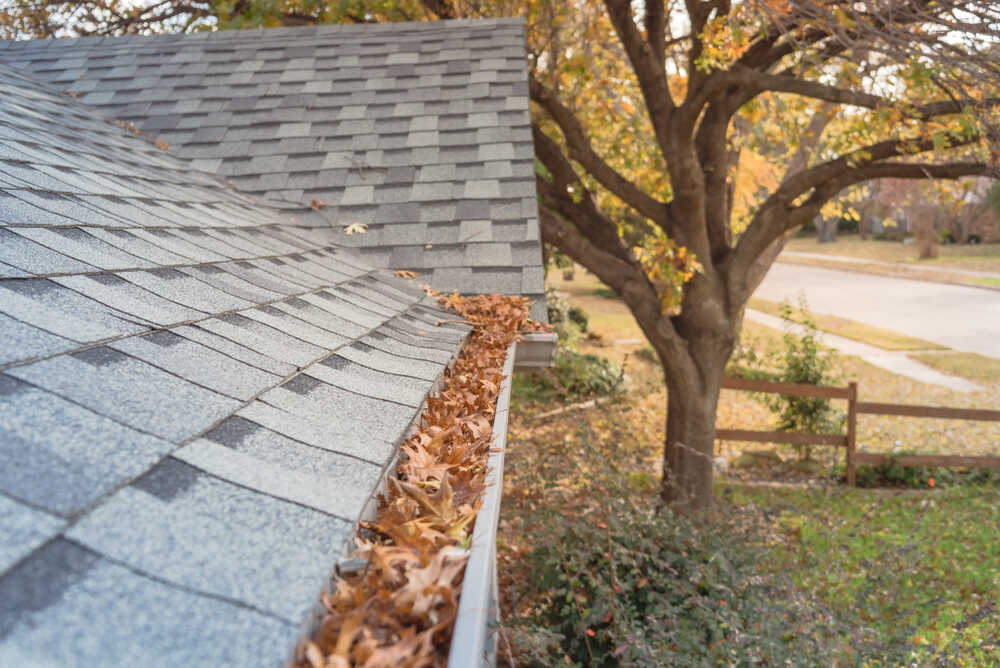
Regular Gutter Cleaning: Perhaps the most crucial step in preventing clogs is regular gutter cleaning. Remove leaves, debris, and dirt from your gutters and downspouts at least twice a year, ideally in the spring and fall. This simple maintenance task can go a long way in keeping your gutter system clear.

Gutter Guards: Consider installing gutter guards or leaf screens. These protective devices cover your gutters, allowing water to flow in while keeping leaves and debris out. Gutter guards come in various designs, so choose one that suits your gutter system and budget.

Trim Overhanging Branches: Overhanging branches can drop leaves and twigs directly into your gutters. Regularly trim back branches that extend over your roof to minimize the amount of debris that enters your gutters.

Regular Roof Maintenance: Maintaining your roof can indirectly help prevent gutter clogs. Keep your roof clean and free of moss, algae, and debris, as these can wash into your gutters during rainfall.

Downspout Extensions: Ensure that your downspouts extend at least a few feet away from your home’s foundation. This directs rainwater away from the foundation and reduces the risk of soil erosion and basement flooding.

Properly Sloped Gutters: Ensure that your gutters have the right slope toward the downspouts. This allows water to flow freely and helps prevent standing water in your gutters, which can lead to clogs.

Regular Inspections: Periodically inspect your gutters and downspouts for signs of damage or blockages. Look for loose or sagging gutters, misaligned downspouts, and any visible clogs.

Use a Garden Hose: If you suspect a clog, use a garden hose to flush water through your downspouts. This can help dislodge minor blockages and clear the path for proper water drainage.

Leaf Blowers or Vacuum Attachments: Some homeowners use leaf blowers or vacuum attachments designed for gutter cleaning. These tools can make the cleaning process more efficient, but use them carefully to avoid damaging your gutter system.

Consider Gutter Heaters: In cold climates, ice dams can form in gutters, leading to blockages. Consider installing gutter heaters or heating cables to prevent ice buildup during the winter months.

Professional Maintenance: If you’re unsure about gutter maintenance or encounter persistent clogs, consider hiring a professional gutter cleaning service. They have the expertise and equipment to ensure your gutters remain clear and functional.

Preventing clogged gutters and downspouts is essential for the overall health of your home. Regular maintenance, proper installation, and protective measures like gutter guards can go a long way in ensuring that your gutter system efficiently directs rainwater away from your home. By following these tips, you can reduce the risk of clogs and the potential damage they can cause.

Lydon & Murphy Insurance/Norwood,MA/Home Maintenance

Cyber Security Tips for Businesses and Personal Use

Cybersecurity has never been more important than it is now. As we spend more time online, we’re often creating and sharing more of our personal data. And if this data falls into the wrong hands, private and financial information could be at risk. So, for businesses and individuals alike, protecting sensitive data is critical.

1. Use Anti-Virus Protection & Firewall

Anti-virus (AV) protection software has been the most prevalent solution to fight malicious attacks. AV software blocks malware and other malicious viruses from entering your device and compromising your data. Using a firewall is also important when defending your data against malicious attacks. A firewall helps screen out hackers, viruses, and other malicious activity that occurs over the Internet and determines what traffic is allowed to enter your device.

2. Use Strong Passwords & Use a Password Management Tool

You’ve probably heard that strong passwords are critical to online security. The truth is passwords are important in keeping hackers out of your data! You should consider:

⦁ Create a password with at least eight characters and a maximum length of 64 characters.
⦁ Don’t use the same password twice.
⦁ The password should contain at least one lowercase letter, one uppercase letter, one number, and four symbols but not the following &%#@_.
⦁ Choose something that is easy to remember and never leave a password hint out in the open or make it publicly available for hackers to see. If you want to make it easier to manage your passwords, try using a password management tool or password account vault. 
⦁ Reset your password when you forget it. But, change it once per year as a general refresh.

cybersecurity

3. Use Two-Factor or Multi-Factor Authentication

Without two-factor authentication, you would normally enter a username and password. But, with two-factor, you would be prompted to enter one additional authentication method such as a Personal Identification Code, another password or even fingerprint.

4. Learn about Phishing Scams – be very suspicious of emails, phone calls, and flyers

In a phishing scheme attempt, the attacker poses as someone or something the sender is not to trick the recipient into divulging credentials, clicking a malicious link, or opening an attachment that infects the user’s system with malware. A few important cyber security tips to remember about phishing schemes include: don’t open email from people you don’t know, know which links are safe and which are not – hover over a link to discover where it directs to, and be suspicious of the emails sent to you in general – look and see where it came from and if there are grammatical errors. Malicious links can come from friends who have been infected too. So, be extra careful!

5. Be Careful on Social Media

In the new “always-on” world of social media, you should be very cautious about the information you include online. It is recommended that you only show the very minimum about yourself on social media. Consider reviewing your privacy settings across all your social media accounts, particularly Facebook. Adding your home address, birthdate, or any other personal information will dramatically increase your risk of a security breach. Hackers use this information to their advantage!

6. Backup Your Data Regularly

Backing up your data regularly is an overlooked step in personal online security. The top IT and security managers follow a simple rule called the 3-2-1 backup rule. Essentially, you will keep three copies of your data on two different types of media (local and external hard drive) and one copy in an off-site location (cloud storage). If you become a victim of ransomware or malware, the only way to restore your data is to erase your systems and restore with a recently performed backup.

public Wi-Fi security warning

7. Don’t Use Public Wi-Fi

Don’t use a public Wi-Fi without using a Virtual Private Network (VPN). By using a VPN, the traffic between your device and the VPN server is encrypted. This means it’s much more difficult for a cybercriminal to obtain access to your data on your device. Use your cell network if you don’t have a VPN when security is important.

With these tips in mind, you can browse, shop, and enjoy the web while feeling safe about your personal digital security. If you want even more information on protecting your personal data or protecting your business from threats, call us or visit our website.

Source: https://www.executech.com/insight/following-easy-digital-security-tips/ and https://cipher.com/blog/10-personal-cyber-security-tips-cyberaware/